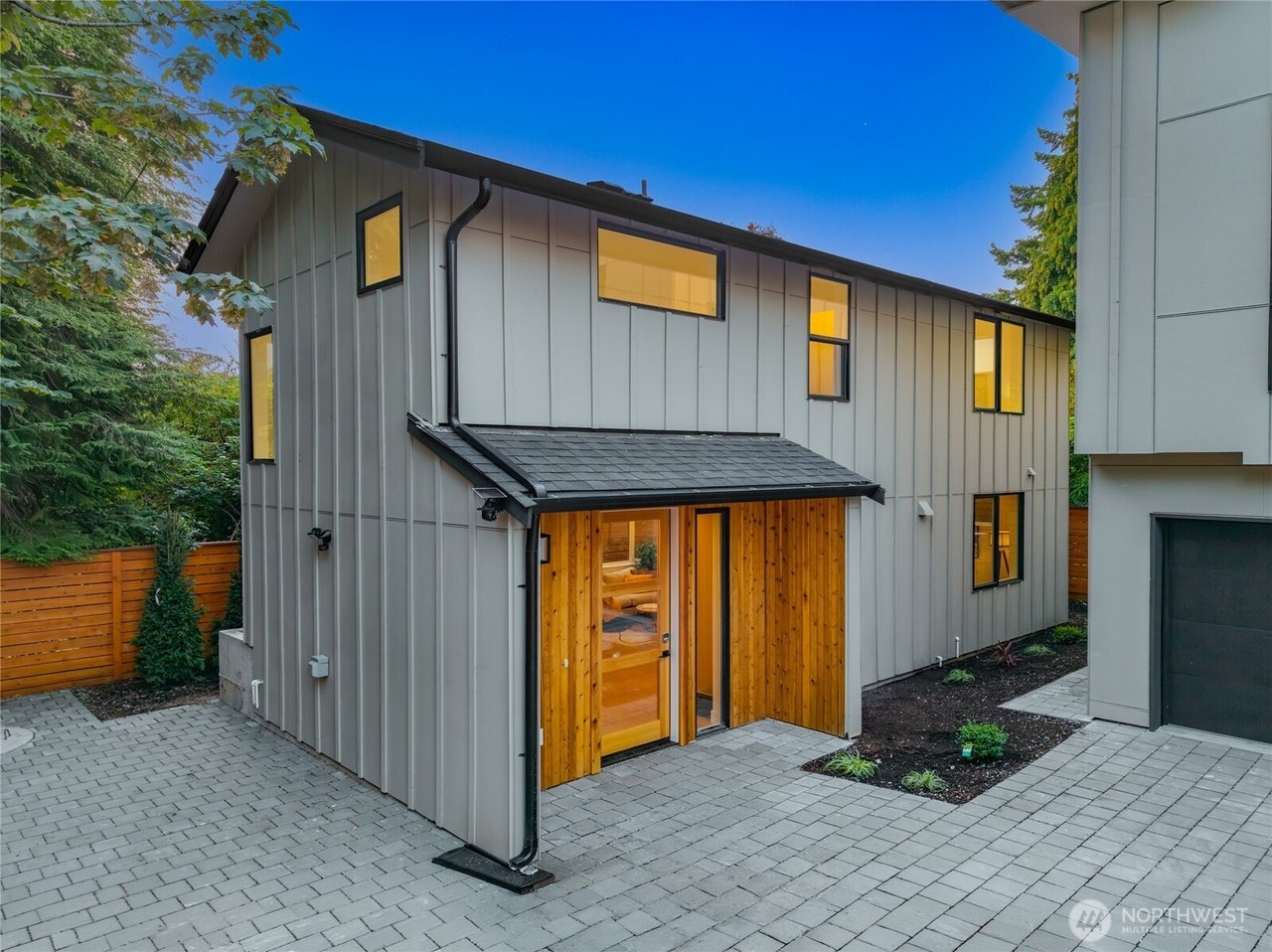
An ADU (accessory dwelling unit) or DADU (detached accessory dwelling unit) needs its own insurance consideration. Whether it is covered under your existing homeowners or landlord policy depends on the carrier, the state, and whether the unit is attached or detached and rented or owner-occupied. Don’t assume it is automatically covered.
An ADU is a second home on the same lot. Insurers treat it as one — sometimes.
What counts as an ADU or DADU
An ADU is a second, smaller home on the same lot as a primary home — for example, a converted basement or garage apartment, or a unit built onto the house. A DADU is a detached accessory dwelling unit — a separate small home in the backyard, such as a backyard cottage. The distinction matters, because attached and detached units are often insured differently.
How coverage usually works
An attached ADU is often covered as part of the main dwelling, since it is under the same roof. A detached DADU is often treated as another structure on the property, or it may need its own policy — but this varies by carrier, and some carriers will not cover a detached unit under the main policy at all. A rented ADU is a landlord exposure, not a homeowners one: if the unit is rented out, the coverage usually needs to be a landlord policy (or a landlord endorsement) rather than a standard homeowners policy. Owner-occupied and rented are different risks, and so are attached and detached — the combination decides what fits.
What to tell your agent
- Attached or detached — and if detached, how far from the main house it sits.
- Rented or owner-occupied — and if rented, to whom and on what terms.
- Size, construction, and age of the unit.
- Whether it has a separate address, meter, or entrance.
- Whether it is new construction or a conversion of an existing structure.
What to do before you build or rent it
- Notify your agent before construction starts, not after it is finished — the build itself changes the risk, and a home under construction may need different coverage.
- Notify your agent again before the first tenant moves in, so the policy matches the use.
- Check the rebuild value. An ADU or DADU adds value to the property, and the dwelling limit may need to go up.
- Ask whether the unit needs its own policy or an endorsement, and get the answer in writing.
Frequently Asked Questions
Is my ADU covered by my homeowners policy?
It depends on the carrier, the state, and the unit. An attached ADU is often covered as part of the main dwelling, while a detached unit is often treated as another structure or may need its own policy. Do not assume it is automatically covered — ask your agent.
Does a detached ADU need its own policy?
Sometimes. A detached ADU is often treated as another structure on the property, but some carriers will not cover a detached unit under the main policy at all. Whether it needs its own policy depends on the carrier and the state.
What if I rent out my ADU?
A rented ADU is a landlord exposure, not a homeowners one. The coverage usually needs to be a landlord policy or a landlord endorsement rather than a standard homeowners policy. Tell your agent before the first tenant moves in.
When should I tell my insurer about an ADU?
Before construction starts, and again before the first tenant moves in. The build itself changes the risk, and the use — owner-occupied or rented — decides what policy fits. Also check the rebuild value, since the unit adds value to the property.